
Remixes are a blessing and a curse. Do we really need another rendition of a tune, a remixers reinterpretation of another artist’s vision. Sometimes, yes. Just off the top of my head I’m thinking of Solarstone’s remixing of Conjure One’s “Center of the Sun.” It was so haunting, mining the forlorn, but empowered lyrics sung by Poe that are at the core of the song. (Note: This CD cover links to the original album. The remix is out of print). 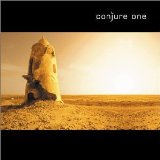
Brian Eno said he loved the idea of remixes because it meant he never had to commit to a “finished” version of the song. That’s an artistic perspective, but most remixes are simply a way of getting tunes on the dance floor.
That’s what makes the remixes of Azam Ali songs off her powerful Elysium for the Brave CD so distressingly conventional.
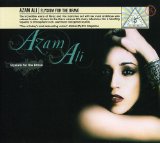
A bevy of remixers from Bombay Dub Orchestra to Trans Global Underground, ignoring the wonderful deep atmospheres and seductive, impassioned sound of Azam’s voice in favor of thump & bump grooves. These are downloads only from iTunes.
Michael Brook, on the other hand, has a new remix CD of RockPaperScissors, that is heavenly.  James Hood, who also records as Moodswings and who used to play drums for The Pretenders has sculpted by beautifully atmospheric mixes of Brook’s music, often tapping into an introspective side that didn’t always survive on the original disc. Hood’s sweeping synthesizer arrangements are instantly recognizable as relatives of his own Horizontal album from a few years back.
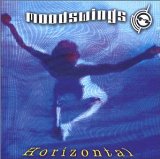
Called BellCurve, the Hood remixes are almost like a completely different CD, though there’s no doubting the strength of the original source material.
What are some of your favorite or least favorite remixes?
Comment posted by
at 3/24/2007 12:52:26 AM
I have Bell Curve and I think that “WANT II” is my favorite with “StrangeProcession II” a close 2nd.
“Bellcurve” and “RockPaperScissors” are amazing
Comment posted by
at 3/12/2007 9:40:37 AM
BellCurve isn’t “Officially” out. He was selling it at his recent concerts. It is supposed to be released in June.
Comment posted by
at 3/11/2007 6:53:53 PM
HELP! Where can i get the “BellCurve” CD? Amazon doesn’t have it.
Comment posted by
at 2/28/2007 2:02:21 AM
I haven’t yet heard the Azam Ali remixes but you’ve made me fear listening to it. Her voice is so phenomenal and many remixes are just plodding beats that distract from the vocals. I suppose they work in a dance club but not usually for interested listening. My least favorite remixes were foisted on Happy Rhodes when she was with Samson Music (they’ve since dropped her because they didn’t know what to do with her). Her song “Roy” was completely destroyed on 4 vinyl-only remixes. They did have some value however. Her songs are so layered and rich and the remixes allowed me to hear underlying parts of the song that had been obscured before, so I suppose I’ll tip my hat to the remixer (Dave Aude) for that. My favorite remix is one that Happy did herself of the song.